
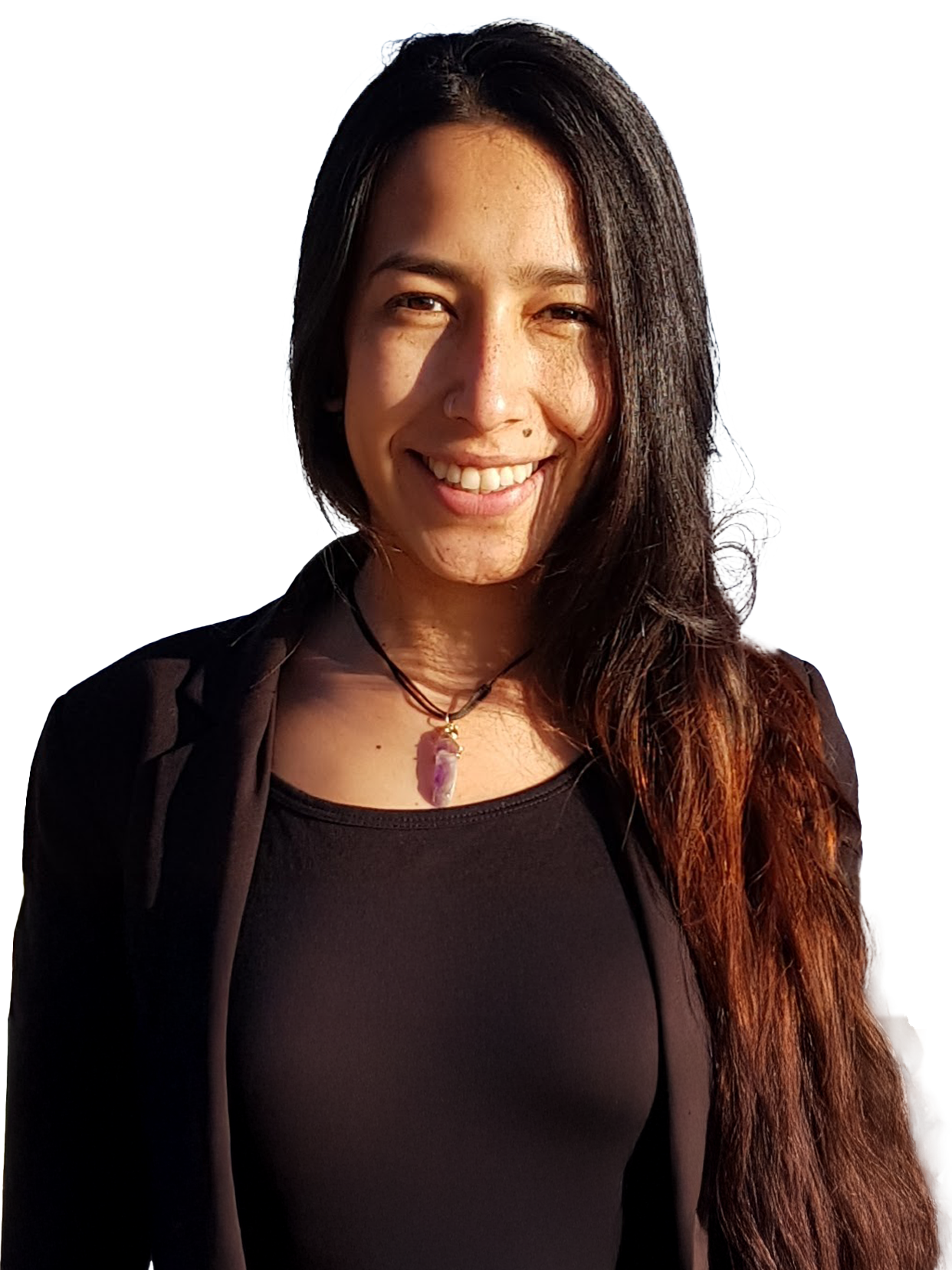



I am Juliana, an engineer passionate about humanity. My work lies at the intersection of humanitarian action and technology, two fields that are multifaceted and complex.
I draw upon design science as a starting point to navigate the complexities at the intersection between technology and humanitarian action. Grounded in sociotechnical systems and engineering design, I help organisations rethink how technology is developed and implemented.
Tech is not neutral, nor is aid
Reframing technology initiatives from the traditional 'problem–solution' approach to an opportunity-exploration process centred on learning and identifying where emerging technologies create new possibilities.
Moving beyond abstract design approaches to make design decisions explicit and tracing high-level intentions through concrete practices.
Bringing together diverse expertise and perspectives, while continuously questioning assumptions and challenging power dynamics.
Supporting You
I work with organisations to move beyond abstract design approaches (e.g., human-centred, participatory, rights-based, etc.) into concrete practice. By applying a structured framework that traces design methods and end-user engagement, I support teams in ensuring that their commitments to ethical and responsible technology development are carried through in practice. This framework also helps make design decisions more transparent and accountable by clearly documenting how intentions, methods and user input shape the development process. I also help humanitarian organisations and tech developers navigate different ways of working, challenge existing assumptions and find common ground where both sides understand each other's needs and priorities when developing technology solutions.
The right questions lead to better solutions. I help teams critically examine and identify their strengths and identify knowledge gaps. Through workshops and training grounded in reflexive practice, we create structured spaces for learning—where teams can reflect on their approaches, challenge taken-for-granted assumptions, and connect high-level principles with day-to-day decisions. This can involve interactive exercises where participants map who their intended users are and identify where important perspectives or contextual knowledge may be missing. Sessions are designed to support learning and practical reflection, helping teams strengthen their skillset for responsible and context-aware technology development.
With over eight years of experience across the private, nonprofit, and academic sectors, I bring a multidisciplinary perspective to both practical industry experience and academic inquiry. My expertise includes qualitative and participatory research methods, case-based inquiry, and evidence synthesis approaches to analyse complex socio-technical systems. I also specialise in translating research insights into clear, practical guidance, helping bridge the gap between research, technology development, and humanitarian practice.
ABOUT ME
With a multidisciplinary background in engineering and development studies, I have worked across sectors at global tech companies like IBM, international NGOs such as the Red Cross and the UN, as well as with social enterprise and grassroots organisations in the Global Majority. This breadth of experience has been particularly valuable when working at the intersection of the private and humanitarian sectors, with a better understanding of how different operational models, funding mechanisms, and decision-making processes influence the adoption of technology across diverse contexts.
Currently, as part of my PhD Candidature at RMIT University in Australia, I have been using a Sequential Qualitative Multi-Method Research Design to investigate how emerging technologies are conceptualised, developed and integrated into humanitarian contexts. My current work centres on three key areas:
Beyond Research and practice:
As part of my PhD candidature at RMIT, I have also been actively engaged in teaching and mentoring.
My teaching experience spans undergraduate and postgraduate engineering programmes, including experience coordinating large courses, developing varying teaching materials, and supporting diverse cohorts through face-to-face, blended, and online delivery
In 2024, I co-coordinated Australia’s largest undergraduate engineering course, with over 1,200 students, reinforcing empathy-driven, collaborative design principles and immersing students in real-world engineering design for humanitarian challenges. .
Affiliations
I have shared insights from my work on how engineering and humanitarian action can better align at various international conferences. My contributions aim to challenge conventional approaches and push for transformative technology design and adoption.
Research for Development Impact Network (RDI) Exchange Conference 10-11 July 2025, University of Tehcnology Sydney (AU)
RightsCon: The World’s Leading Summit on Human Rights in the Digital Age 24-27 February 2025, Taipei International Convention Center (Taiwan)
Crisis in the Anthropocene: Rethinking Connection and Agency for Development 28–30 June 2023, University of Reading (UK)
An investigation into the development of emerging technology for humanitarian action and development assistance [in press]
Research paper submitted to the Journal of Information Technology for Development. Pre-print available: https://aisel.aisnet.org/itd/vol32/iss1/14/
Together, we can amplify and showcase the impact of your work and contribute to the collective knowledge in this field.
I respectfully acknowledge the Wurundjeri and Bunurong peoples of the Kulin Nation as the traditional custodians of the land on which I live and work. I honour their enduring contributions to knowledge, science and technology over the past 60,000 years, and recognise that sovereignty was never ceded.
© All Rights Reserved | Juliana Carreno 2025
Together, we can amplify and showcase the impact of your work and enrich the collective knowledge in this field.